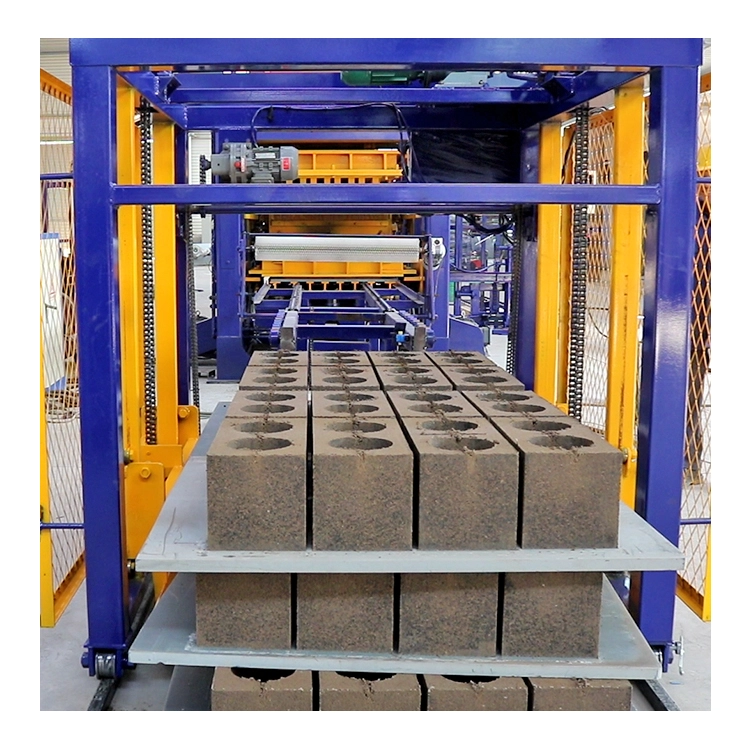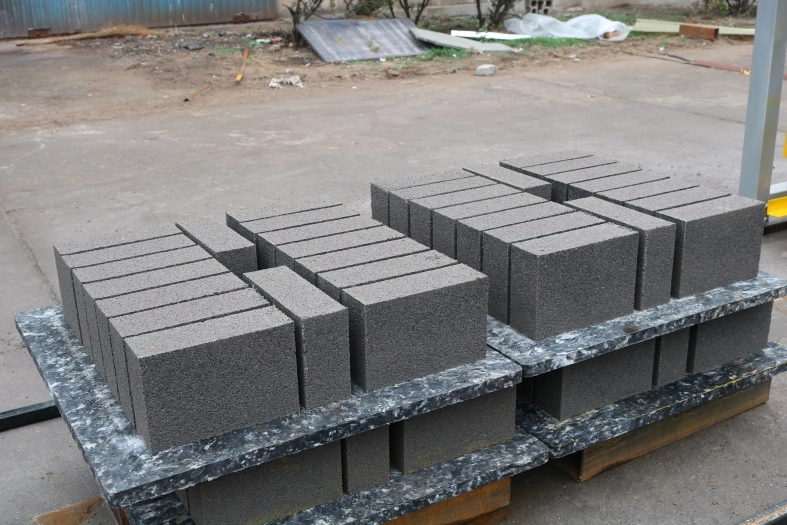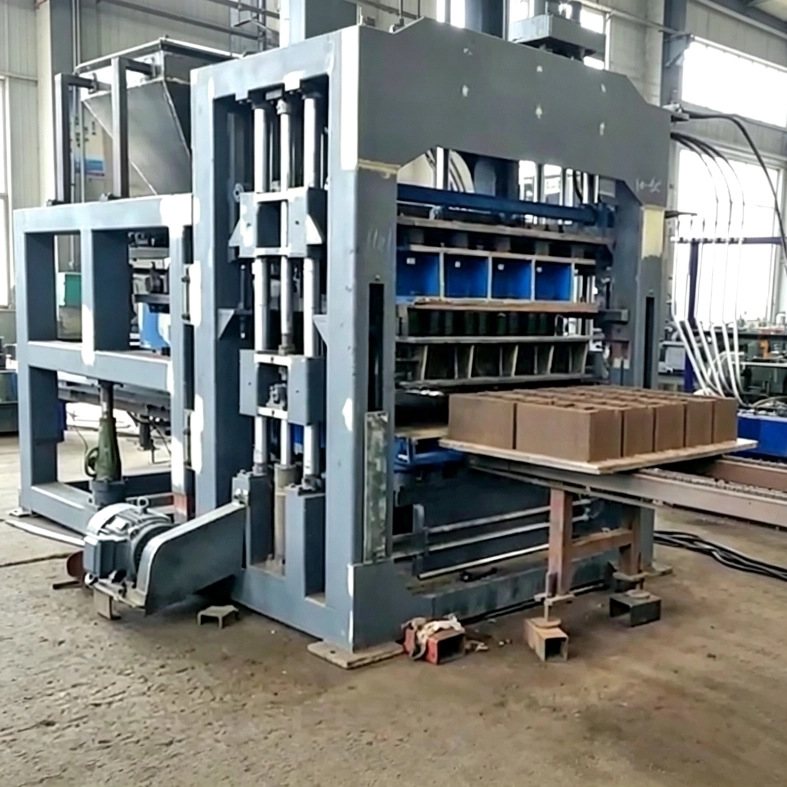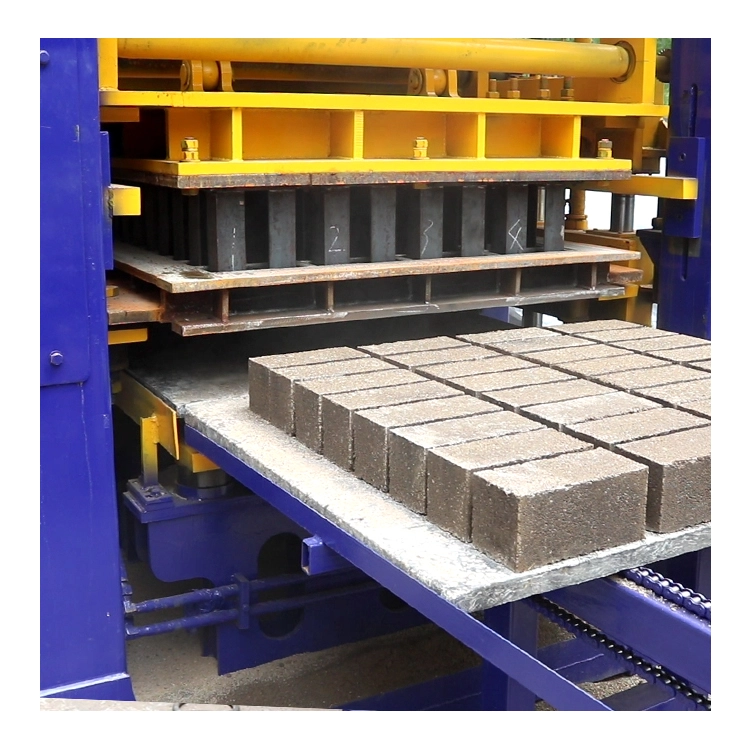
1. Bottom‑mount Vibration Box For Dense Hollow‑blocks, Lower Motor Burn‑out Risk And Less Waste
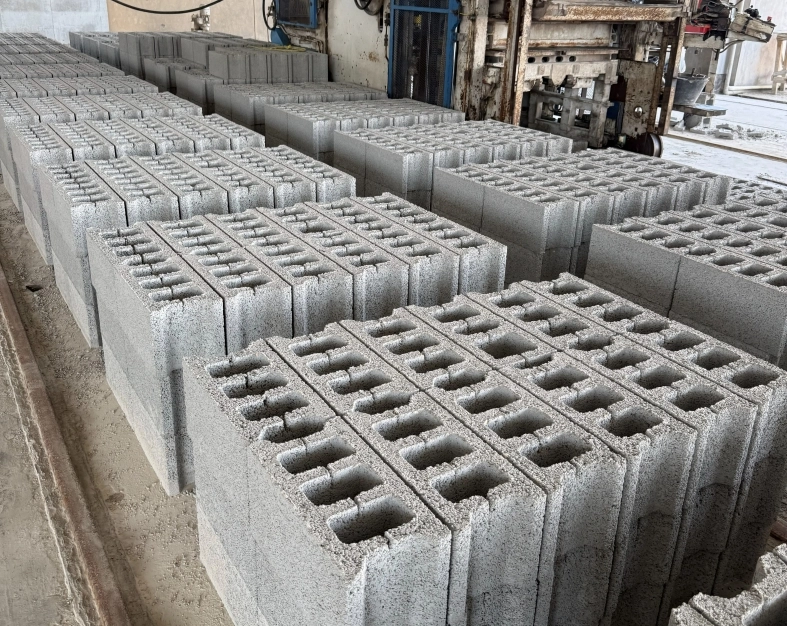
Equipped with independent bottom vibration box, vibration energy evenly spreads across every mold cavity. Raw material fills cavity walls thoroughly to produce hollow‑blocks with full corners and complete wall sections, minimizing rejects caused by insufficient filling. Vibration motors are protected from direct material impact, lowering burnout risk and spare‑part cost. Finished hollow‑blocks meet general wall‑building requirements and reduce material loss during continuous production.
2. Low Power Consumption & Low Entry‑cost, Ideal For Small‑scale Thin‑margin Hollow‑block Business
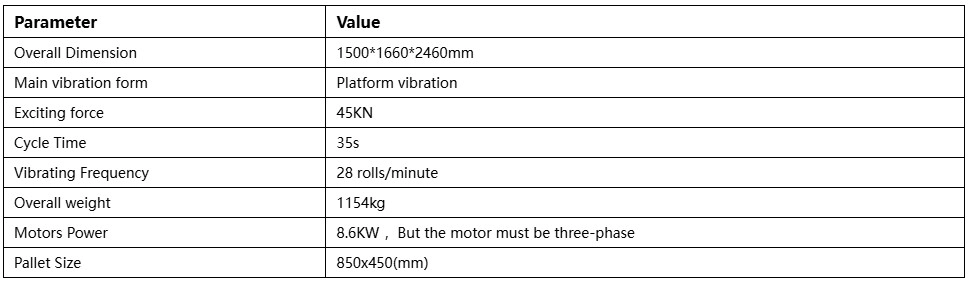
Total motor power reaches only 8.6KW, saving long‑term electricity expense for thin‑margin hollow‑block manufacturing. It requires low capital outlay and little workshop reconstruction. Only 2‑4 ordinary workers finish whole production flow without highly‑paid skilled technicians. Perfect for individual starters, rural workshops and overseas first‑time investors launching hollow‑block projects.
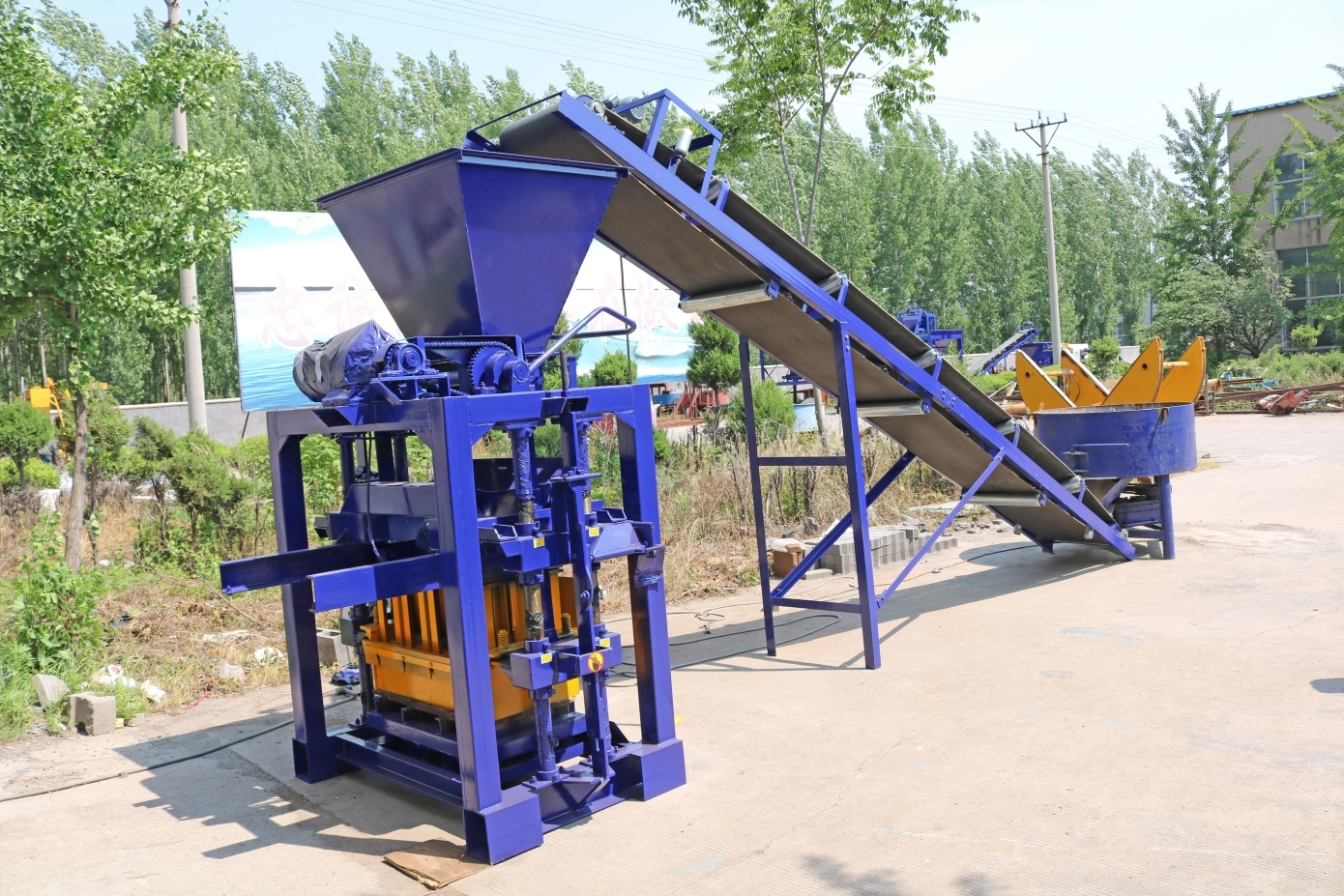
3. Control‑box‑driven Upper‑mould & Discharge, Simple Operation And Low Worker‑skill Requirement
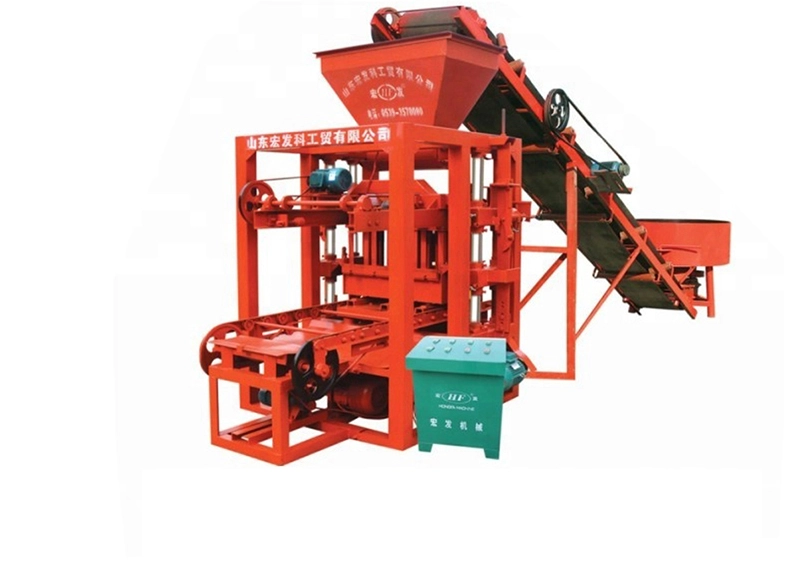
Upper‑mould movement and material discharging are managed by electric control box with intuitive workflow. New operators get competent after short training. Semi‑auto logic balances productivity and lowers mis‑operation risks such as material jamming or defective bricks. Even with high staff turnover in small workshops, new hands can take over hollow‑block production quickly without delaying order delivery.
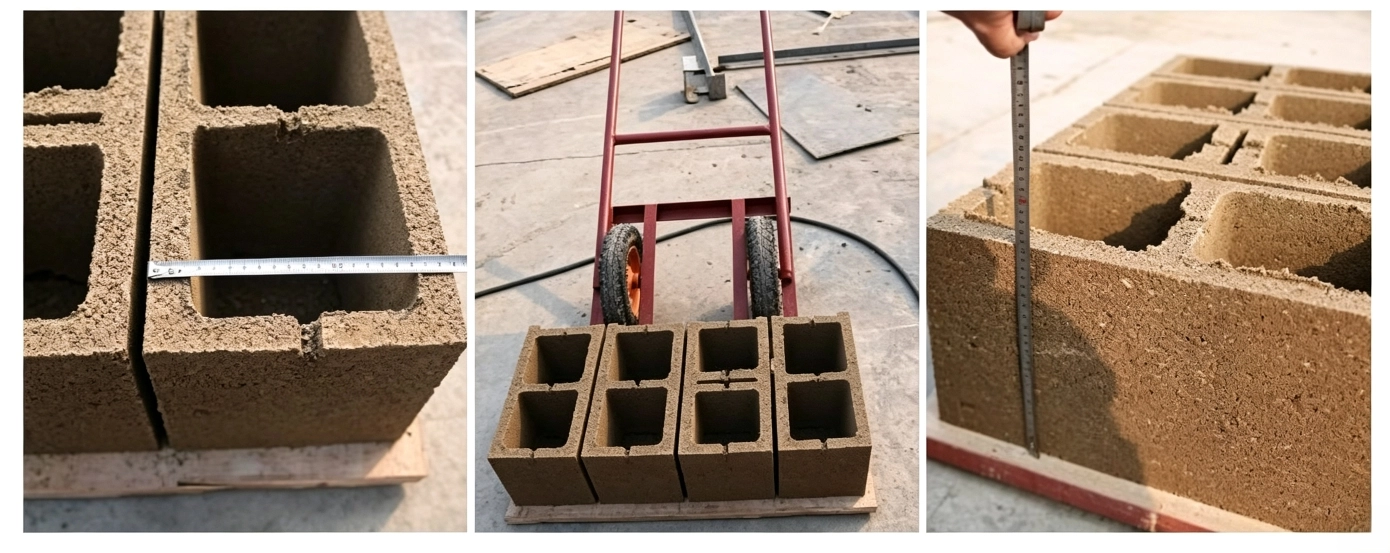
4. Wear‑resistant Manganese‑steel Hollow‑block Molds, Neat Cavity Shape And Controllable Consumable Expense
Manganese‑steel hollow‑block molds deliver neat hole geometry and uniform wall thickness. Worn local components can be replaced separately instead of discarding the whole mold. During hollow‑block peak‑order seasons, molds keep stable brick geometry and extend total service life, avoiding heavy cost for full‑mold renewal.
5. Wide Raw‑material Compatibility, Utilize Local Residues To Cut Hollow‑block Unit‑cost
It works well with crushed stone, stone dust, fly ash, furnace slag, coal gangue, construction waste, expanded perlite and other locally‑available waste materials. Plant operators can optimize formula with cheap local residues while guaranteeing block strength, cutting expensive cement and aggregate purchase. It improves your quotation competitiveness for local hollow‑block market.
6. Compact Size With Container‑friendly Shipment, Step‑by‑step Capacity Expansion
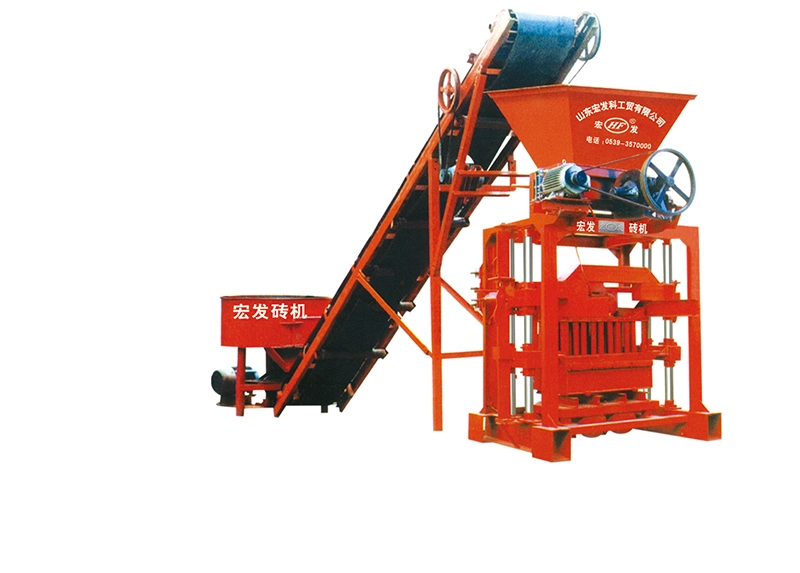
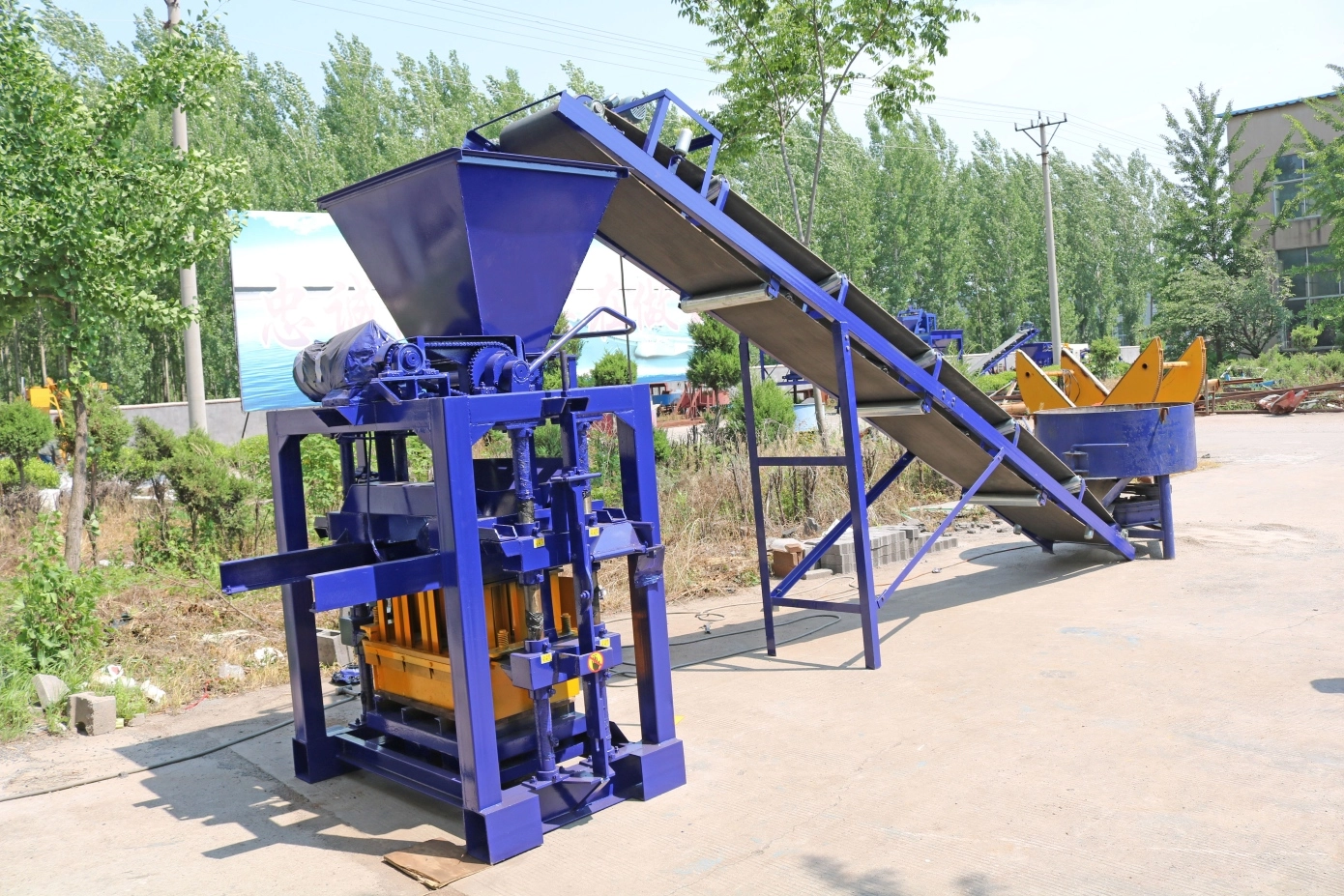
Compact dimension and light weight allow main machine plus mixer to fit inside one single 20ft container, reducing ocean‑freight cost for overseas buyers. With simple connection interfaces, you can start hollow‑block production with basic mixer and feeding devices on limited budget. When hollow‑block orders grow later, add belt conveyor, automatic stacker and other peripherals step‑by‑step, avoiding heavy one‑time initial investment.
1. Bottom‑mount Vibration Box For Dense Hollow‑blocks, Lower Motor Burn‑out Risk And Less Waste
Equipped with independent bottom vibration box, vibration energy evenly spreads across every mold cavity. Raw material fills cavity walls thoroughly to produce hollow‑blocks with full corners and complete wall sections, minimizing rejects caused by insufficient filling. Vibration motors are protected from direct material impact, lowering burnout risk and spare‑part cost. Finished hollow‑blocks meet general wall‑building requirements and reduce material loss during continuous production.
2. Low Power Consumption & Low Entry‑cost, Ideal For Small‑scale Thin‑margin Hollow‑block Business
Total motor power reaches only 8.6KW, saving long‑term electricity expense for thin‑margin hollow‑block manufacturing. It requires low capital outlay and little workshop reconstruction. Only 2‑4 ordinary workers finish whole production flow without highly‑paid skilled technicians. Perfect for individual starters, rural workshops and overseas first‑time investors launching hollow‑block projects.
3. Control‑box‑driven Upper‑mould & Discharge, Simple Operation And Low Worker‑skill Requirement
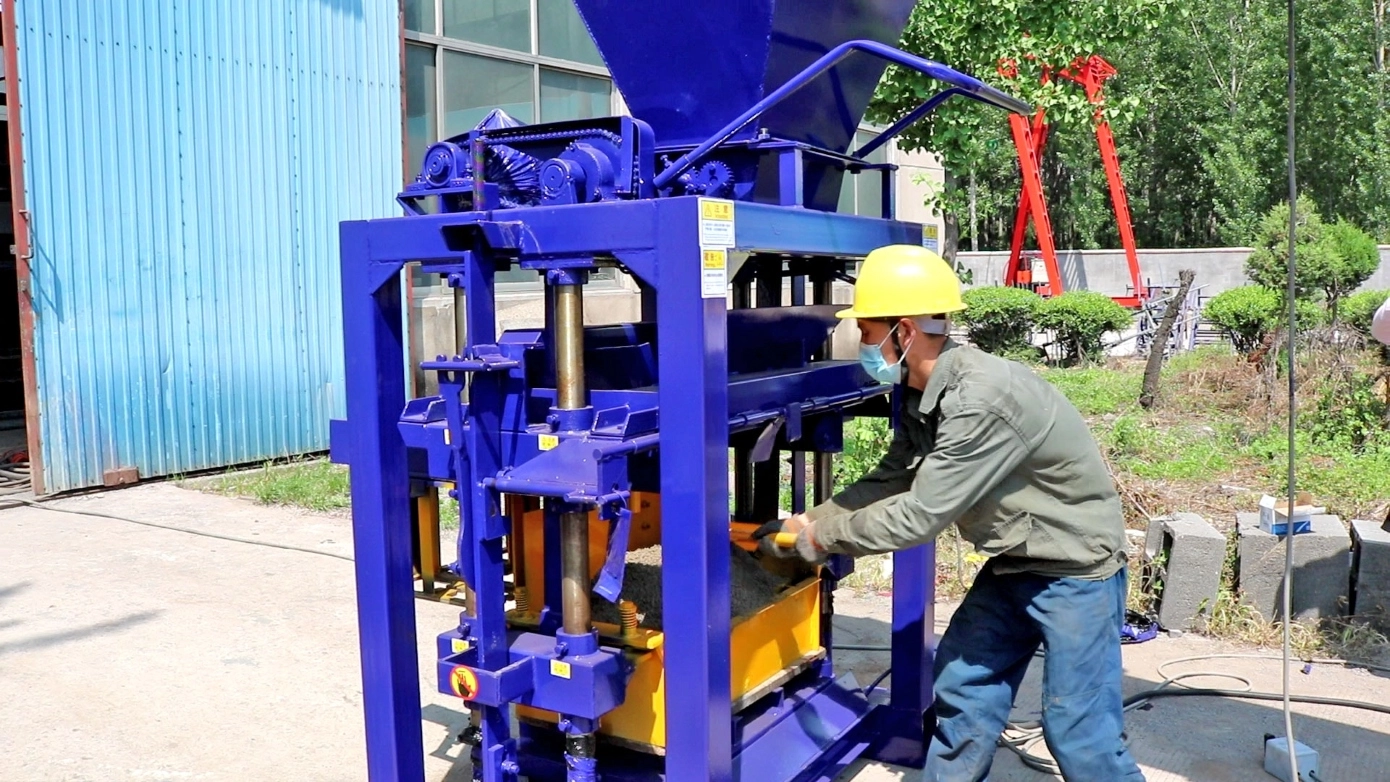
Upper‑mould movement and material discharging are managed by electric control box with intuitive workflow. New operators get competent after short training. Semi‑auto logic balances productivity and lowers mis‑operation risks such as material jamming or defective bricks. Even with high staff turnover in small workshops, new hands can take over hollow‑block production quickly without delaying order delivery.
4. Wear‑resistant Manganese‑steel Hollow‑block Molds, Neat Cavity Shape And Controllable Consumable Expense
Manganese‑steel hollow‑block molds deliver neat hole geometry and uniform wall thickness. Worn local components can be replaced separately instead of discarding the whole mold. During hollow‑block peak‑order seasons, molds keep stable brick geometry and extend total service life, avoiding heavy cost for full‑mold renewal.
5. Wide Raw‑material Compatibility, Utilize Local Residues To Cut Hollow‑block Unit‑cost
It works well with crushed stone, stone dust, fly ash, furnace slag, coal gangue, construction waste, expanded perlite and other locally‑available waste materials. Plant operators can optimize formula with cheap local residues while guaranteeing block strength, cutting expensive cement and aggregate purchase. It improves your quotation competitiveness for local hollow‑block market.
6. Compact Size With Container‑friendly Shipment, Step‑by‑step Capacity Expansion
Compact dimension and light weight allow main machine plus mixer to fit inside one single 20ft container, reducing ocean‑freight cost for overseas buyers. With simple connection interfaces, you can start hollow‑block production with basic mixer and feeding devices on limited budget. When hollow‑block orders grow later, add belt conveyor, automatic stacker and other peripherals step‑by‑step, avoiding heavy one‑time initial investment.
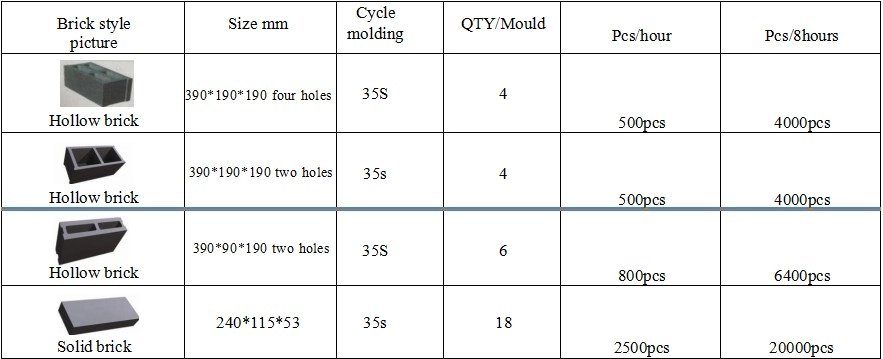
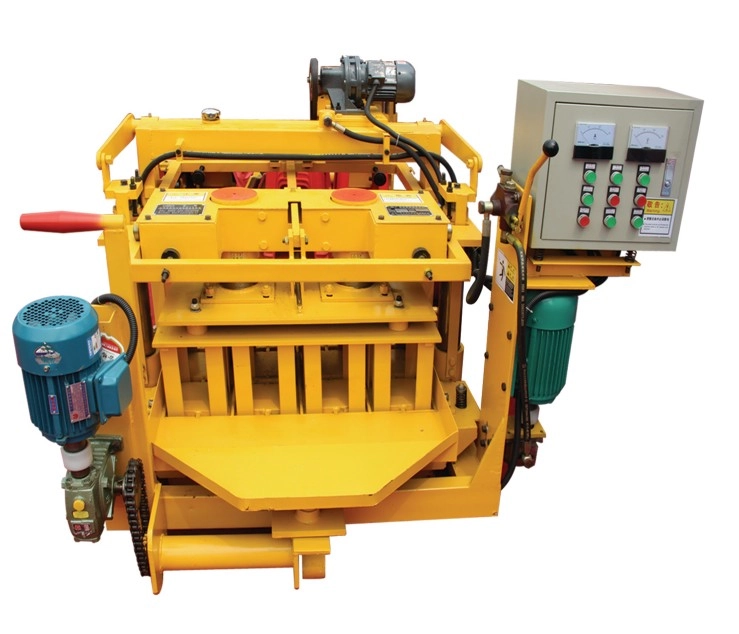 QMJ-4A Semi-automatic Concrete Block Machine
QMJ‑4A mobile hydraulic block making machine adopts mold‑box vibration and hydraulic transmission. It supports forward, ...

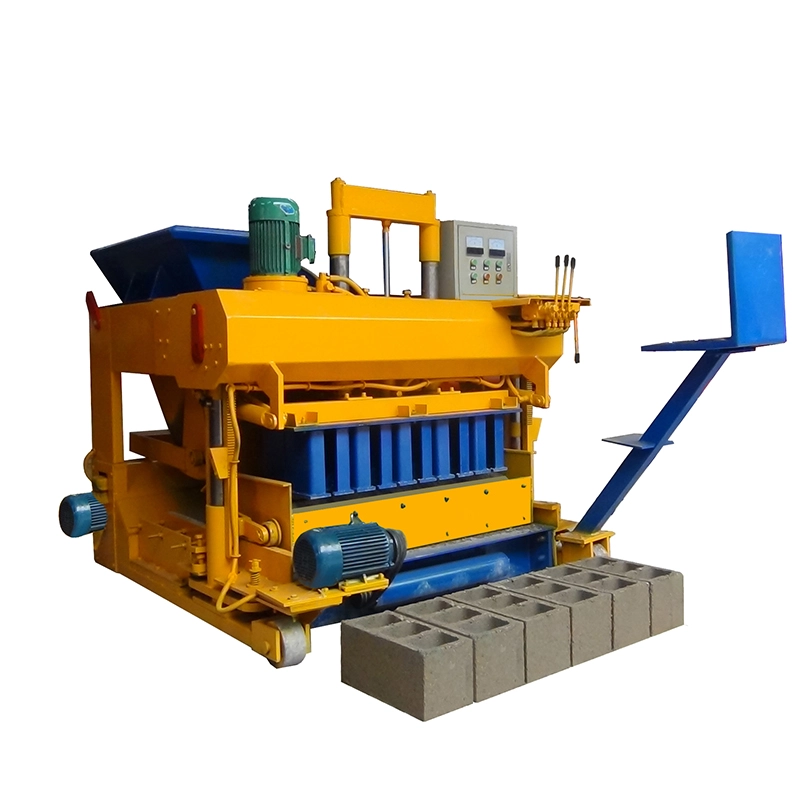 QMJ6‑30 Mobile Pallet‑free Hollow Block Forming Machine | Egg‑layer Ground‑demoulding Concrete Block Equipment
QMJ6‑30 egg‑layer mobile block‑making main machine works without pallets and demoulds directly on hardened ground. It ad...
QMJ‑4A Mobile Hydraulic Block Making Machine | Pallet‑free Egg‑layer Small Hollow Block Equipment
QMJ‑4A mobile hydraulic block making machine adopts mold‑box vibration plus hydraulic forming. It is equipped with forwa...
Shandong Hongfa Scientific Industrial&Trading Co.,Ltd ©️2026Copyright © LU ICP B 16041216-4